


Within the Triazole group of fungicides (DMIs – Demethylation Inhibitors), the three most widely used actives today are Difenoconazole, Propiconazole, and Tebuconazole. While they share a common mode of action—inhibiting ergosterol biosynthesis, essential for fungal cell membranes—their systemic properties, disease control spectrum, and real-world effectiveness differ considerably.
So, which one is stronger and more suitable for farmers? Let’s take a detailed look.
1. Comparative Overview Table
|
Criteria |
Difenoconazole |
Propiconazole |
Tebuconazole |
|
Fungicide Class |
Triazole |
Triazole |
Triazole |
|
Systemic Activity |
Very strong |
Moderate |
Moderate |
|
Preventive Efficacy |
★★★★★ |
★★★★☆ |
★★★★☆ |
|
Curative Efficacy |
★★★★☆ |
★★★★☆ |
★★★☆☆ |
|
Disease Control Spectrum |
Broad (anthracnose, blast, downy mildew, rusts...) |
Narrower |
Good for blast, powdery mildew |
|
Residual Protection |
7–14 days |
5–7 days |
5–7 days |
|
Rainfastness |
Excellent |
Good |
Good |
|
Resistance Risk |
Lower |
Moderate |
Higher if overused |
|
Common Applications |
Fruits, vegetables, rice |
Industrial crops, grains |
Rice, vegetables |
2. Breakdown of Each Active Ingredient
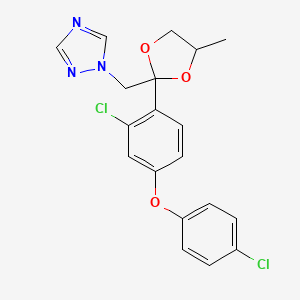
✅ Difenoconazole – A Next-Generation Triazole
Strengths:
- Strong systemic action, excellent leaf adhesion, rainfast.
- Broad-spectrum activity: effective on anthracnose, blast, powdery mildew, rusts, etc.
- Dual preventive and curative action, lasting up to 14 days.
Drawback:
- Slightly higher cost than Propiconazole and Tebuconazole.
👉 Best suited for: Fruits, vegetables, and high-value crops.
✅ Propiconazole – The “Veteran” of Triazoles

Strengths:
- Effective against blast, rust, leaf blight.
- Affordable and easy to tank-mix.
Limitations:
- Shorter residual effect.
- Reduced efficacy on resistant fungal strains.
👉 Best used in rotation, not for continuous application.
✅ Tebuconazole – Cost-Effective Blast Control

Strengths:
- Good activity against rice blast and powdery mildew.
- Low cost and widely available.
Limitations:
- Weaker curative action.
- Many pathogens have developed resistance due to overuse.
👉 Best for early-stage preventive use – avoid using when disease is advanced.
3. Conclusion: Which Active Ingredient Is Stronger?

In terms of overall efficacy, Difenoconazole stands out due to:
- Strong systemic properties and broad disease spectrum
- Both preventive and curative effectiveness
- Longer residual activity, reducing the number of sprays needed
However, Propiconazole and Tebuconazole still have a role when:
- Used at the right time (early preventive stage)
- Alternated with other groups
- Applied on low-value crops or when budget constraints exist
👉 Strategic Recommendation:
- Use Difenoconazole during critical stages (e.g., flowering, fruit setting, rice heading)
- Use Propiconazole or Tebuconazole during early growth stages or for routine prevention
This approach helps balance cost-efficiency and high disease control effectiveness.


Leave a comment