
Loading...

Knowledge

The Impact of Avermectin on Non-Target Organisms
10/04/2025

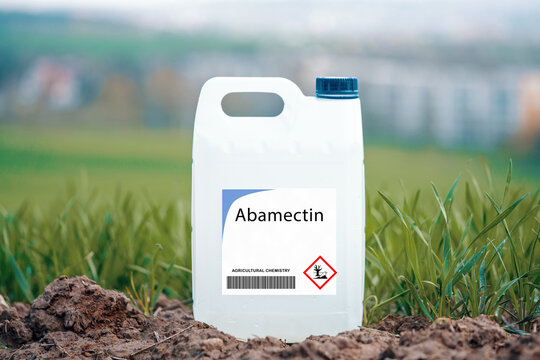
Avermectin is a widely used pesticide and anthelmintic that is commonly applied in agriculture and veterinary medicine. However, its use can have unintended effects on non-target organisms, including wildlife, beneficial insects, and other species in the ecosystem. This article will explore the impact of Avermectin on non-target organisms and how to minimize these effects.

Read More
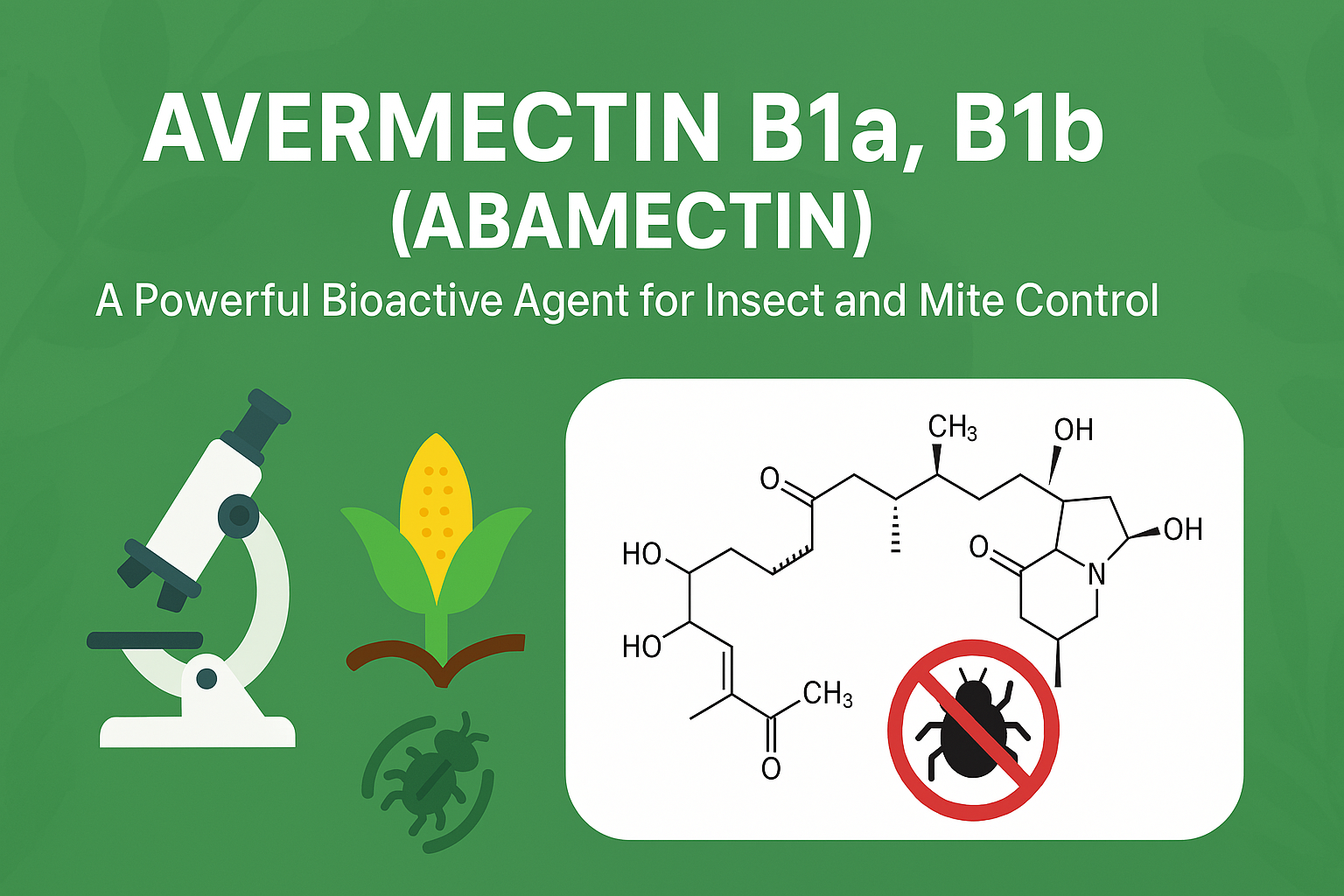
Avermectin B1a, B1b (Abamectin): A Powerful Bioactive Agent for Insect and Mite Control
09/04/2025

Avermectin B1a and B1b are two primary components of the avermectin family, a group of natural compounds derived from the soil bacterium Streptomyces avermitilis. When combined, they form Abamectin, a highly effective bioactive compound widely used in agriculture for controlling insect pests and mites.

Read More
Understanding Difenoconazole – An Effective Solution for Crop Protection
27/03/2025

Difenoconazole is one of the most commonly used fungicides in agriculture, widely used for preventing and treating fungal diseases in crops. With its strong ability to target harmful fungi, Difenoconazole is an essential solution in protecting crops from fungal diseases, ultimately enhancing productivity and quality of agricultural products.

Read More
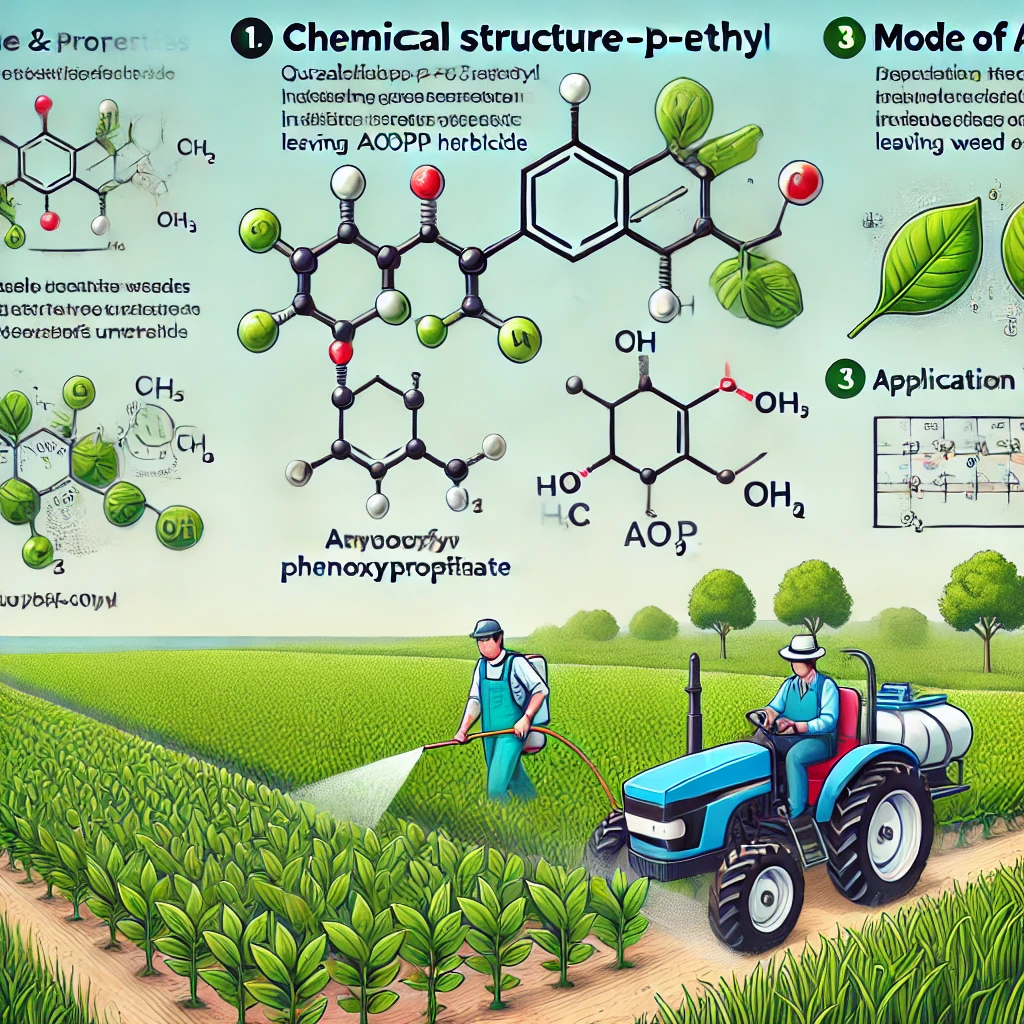
Quizalofop-P-Ethyl: An Effective Solution for Controlling Narrow-Leaf Weeds
03/03/2025

Quizalofop-P-ethyl is a selective herbicide belonging to the Aryloxyphenoxypropionate (AOPP) group, specifically designed to control narrow-leaf weeds in broadleaf crops such as soybeans, cotton, potatoes, vegetables, and fruit trees

Read More
Pretilachlor: An Effective Herbicide for Modern Agriculture
27/02/2025

Pretilachlor is a chloroacetanilide-group herbicide widely used in rice cultivation to control weeds in the early stages of crop growth. As a pre-emergence herbicide, Pretilachlor prevents weeds from developing without harming the main crop when applied correctly.

Read More
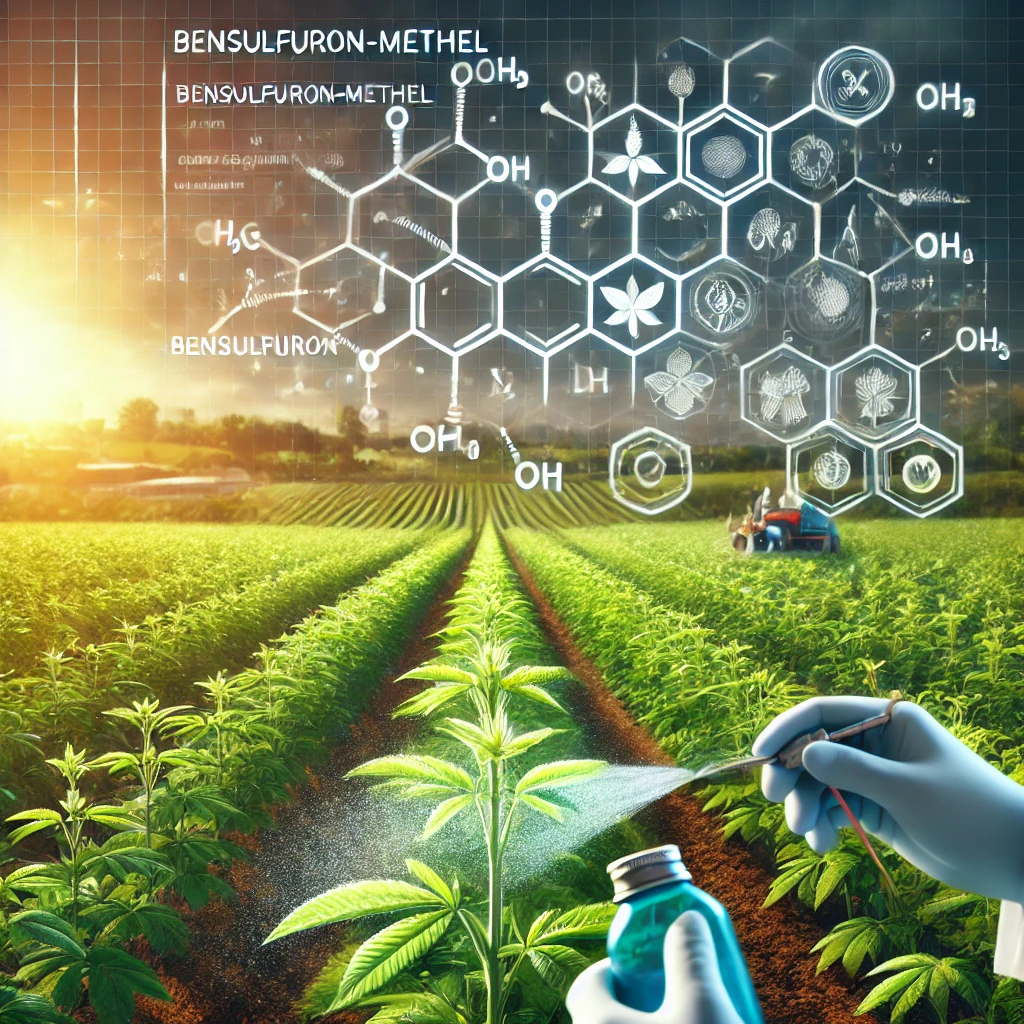
Active Ingredient Bensulfuron-Methyl: Effective Herbicide Solution in Agriculture
24/02/2025

Bensulfuron-Methyl is a sulfonylurea herbicide, widely used in agriculture, especially in rice production. By inhibiting the enzyme acetolactate synthase (ALS) - an important enzyme in the synthesis of branched-chain amino acids - Bensulfuron-Methyl helps prevent weed growth without harming the main crop when used at the right dose and time.

Read More
Acetochlor: An Effective Herbicide in Modern Agriculture
23/02/2025

Acetochlor is a herbicide in the chloroacetanilide group, widely used in agriculture to control weeds on many crops. Thanks to its high efficiency, wide range of action and reasonable cost, Acetochlor has become one of the top choices of farmers in protecting the productivity and quality of agricultural products.

Read More
Sulfur Compounds: Applications, Properties and Benefits in Industry and Agriculture
21/02/2025

Sulfur compounds - also known as Sulfur - are one of the important chemical elements, widely used in many fields such as industrial production, agriculture, medicine, and many other industries. The following article will provide you with an overview of Sulfur compounds, from chemical properties, diverse applications to safety precautions when using.

Read More
ENVIRONMENTAL POLLUTION AND ITS IMPACT ON AGRICULTURE
12/02/2025

1. General introduction

Environmental pollution is the phenomenon where natural elements (water, air, soil, living organisms) are negatively altered due to human activities or natural processes that exceed the ability to self-cleanse. Pollution occurs when waste (chemicals, garbage, heavy metals, emissions, etc.) exceeds permissible levels, persists, and degrades the quality of the living environment.

In the field of agriculture, the environment plays a decisive role in the quality and quantity of agricultural products, from the stages of cultivation, livestock …

Read More
ORGANIC AGRICULTURE AND SUSTAINABLE DEVELOPMENT
10/02/2025

Organic Agriculture is a farming system based on optimizing natural resources and ecological principles, avoiding (or minimizing) the use of synthetic chemicals such as chemical fertilizers, pesticides, herbicides, and growth stimulants. Instead, organic agriculture focuses on maintaining soil fertility and biodiversity through biological methods, crop rotation, and the integration of livestock and crop production. The core objective is to produce clean products that ensure human health safety and protect the environment.

Read More
Chatbot
messenger Zalo